Friday, 14 January 2011

uyuni salt flats tour


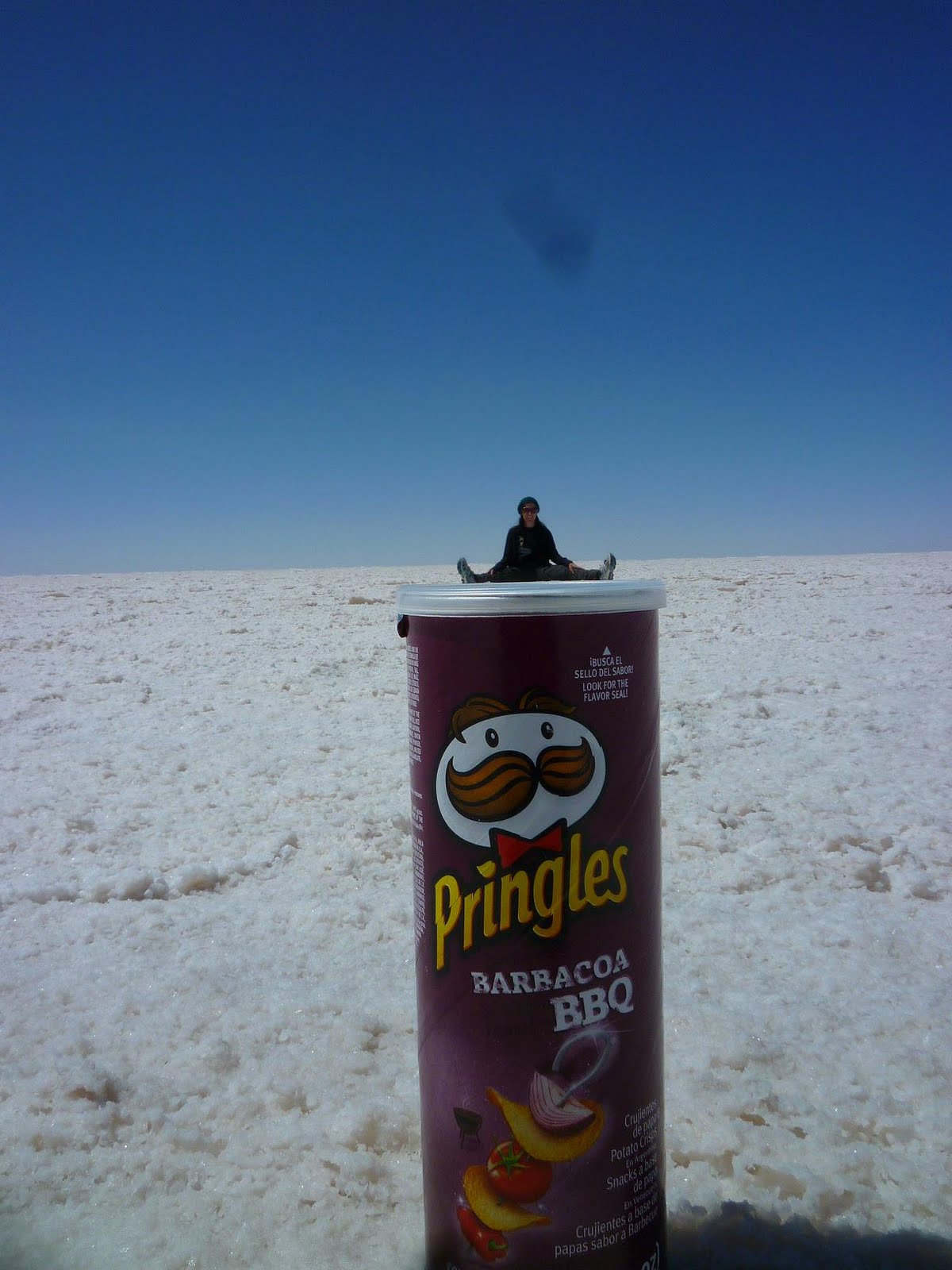
I did a 4 day trip from Tupiza to Uyuni which ends on the Salt Flats. There was a lot of driving involved. I really like the optical illusion photos on the salt plains but they are a pain to take. And the salt is really really uncomfortable to sit / lie on. It was a great trip but I was so happy to leave Bolivia at the end. And I just love Argentina - where I am writing this from.


Tupiza


Tupiza is a small town in the south of Bolivia. It's probably only 50 miles from Tarija but it took us hours and hours on a hideous bus journey to get there. There were landslides and we were sat still for hours on the side of the cliff while people cleared it with their bare hands. At one point later on everyone got off the bus to move rocks out of the way. Finally we arrived safely and checked into a nice hostel with a pool. The next day we did a "triathlon" around the area which was a jeep ride, cycle (not downhill like they said!) and horse riding. It was brilliant with beautiful scenery which isn't quite captured on my pictures but here they are anyway.


Saturday, 1 January 2011

Tarija and Valle de la Concepcion, Bolivia


This is the "all you can drink for £25" party we went to. Clearly this was where all the rich Bolivians were hanging out, and we were very obviously underdressed. There was also a collection of the most horrible dresses Heather and I had ever seen. All in all it was a fun, if messy, night.


Bolivia is not known for its wine, and for a good reason. It's crap. However it was really nice to be able to drink wine again after only beer or the occasional cocktail (usually involving raw egg) over the last few months.

Erik, Heather, Gideon and I headed on from Potosi to Tarija to visit the bodegas. Needless to say we got very drunk. It was really fun, and the best wine we had was a bottle for £1.30 in a cheap eat place where we had lunch. The roads were still blocked due to Evo's "gasolinazo" 100% gas price increases which took place on 26th December. The government had been subsidising gas for the last 7 years but said it was going to stop as so much was leaking out and going into Chile and Argentina. The days following this announcement have been interesting. Buses put their prices up 50%, taxis 100% and soooo many strikes and demonstrations. At least in Tarija there was no dinamite being blown up on the street. Today Evo has announced he's revoking his decision so hopefully the country will calm down a bit!

Death Road, Bolivia (near La Paz)


I was really nervous about doing the "Death Road" bike ride as it's supposedly the most dangerous road in the world. I truely believe that whoever put that name to it has not been to Guatemala!
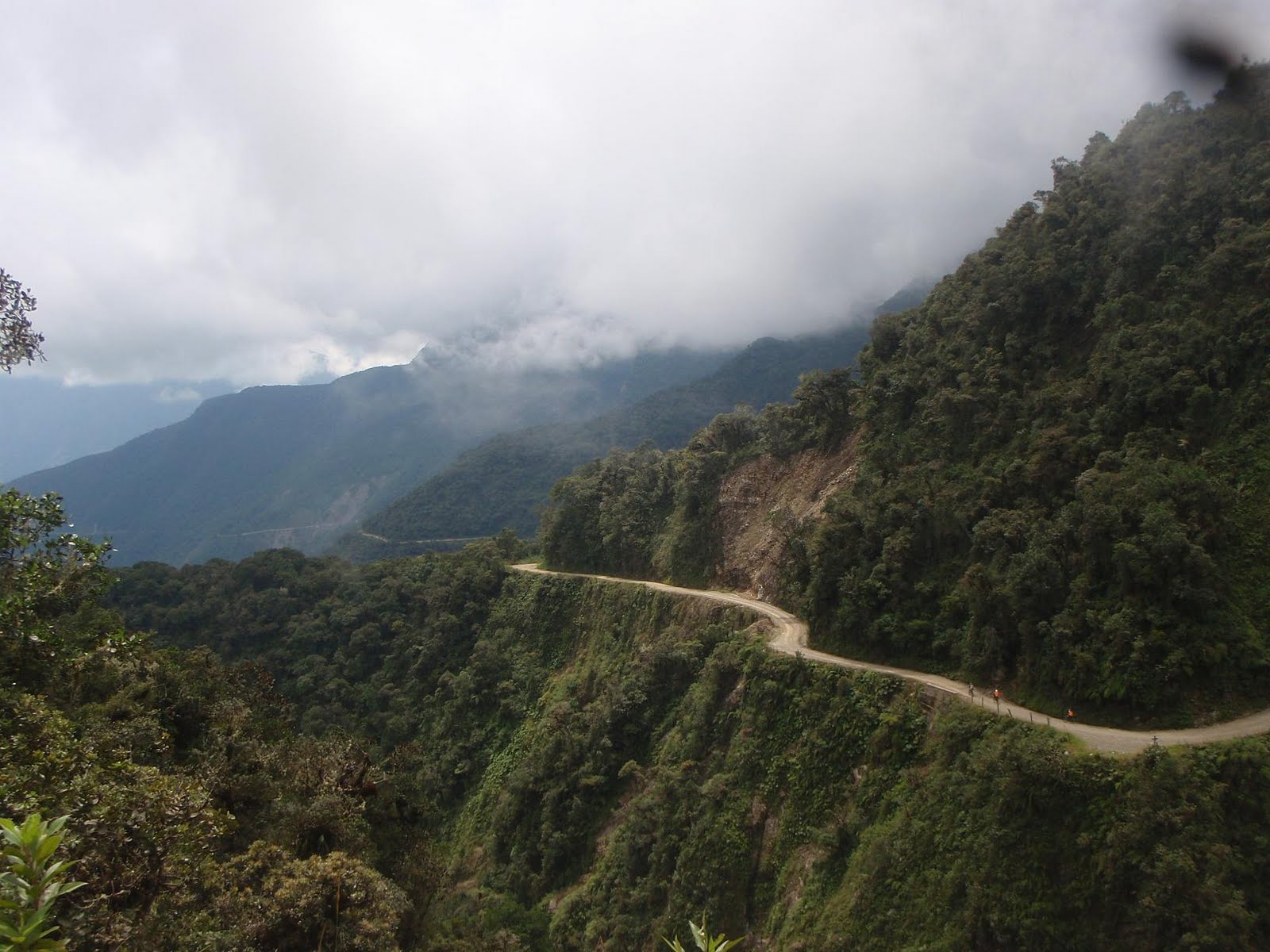
The cycle was pretty easy, and only really dangerous if you're a complete idiot and fall off down the side. Saying that people do die, which is really sad. One English guy died but they think he passed out before he went off the side. His parents donated an ambulance to the region which is a very nice gesture. Weirdly 50% of deaths are Israelis....but we couldn't figure out if 50% of the people who do the cycle were also Israeli. Strange statistic though.
Anyway, it was one of the most beautiful rides I've ever done. The scenery as you can see is beautiful and it was all in all a really really fun day out.


Friday, 31 December 2010

Potosi and the mines of Cerro Rico


Potosi is a mining town in central Bolivia. I liked the town far more than I thought it would and we even ate good food! We only stayed a day and did a half day tour of the working mines of Candelaria. The tour guides are all ex-miners and they kit you up with a helmet, head lamp and protective clothing. It's probably the most uncomfortable I've been in my life. Something like 8 million miners have died down these mines over the last few hundred years. Originally silver mines they also have a lot of zinc and tin. Potosi used to be a prosperous city but never recovered from the tin price collapse of the 1980's. I have a new respect for the miners. They work in horrible cramped, dark and hot conditions all day to earn about 8 US dollars a day. They only live to about 40 years old. The dust down the mines is incredible. I hated every second of it. The weird looking scare crow like thing is the god that they worship by giving offerings such as coca leaves and a 90% alcohol (yes we tried it too) as they believe this "TIO" will protect them. 100's of children also work down the mines. It was incredibly sad and will definitely make me think again the next time I try to be any silver!

Friday, 24 December 2010

Rurrenabaque and Las Pampas


We flew from La Paz to Rurre on the tiniest plane. I've never been scared of flying but I have to say I was a little apprehensive. We had some of the nicest food in Rurre and it was a far nicer jungle town than the ones I'd seen earlier at the Tri border - Leticia, Tabatinga and Santa Rosa. I actually quite liked the place. We arrived with a terrible hangover having actually felt well enough to party the night before in La Paz.


We went on a 3 day trip to Las Pampas and saw squirrel monkeys and an anaconda which were things I'd missed in the Pantanal so I was happy.

Valle de la Luna and Tiwanaku, near La Paz, Bolivia


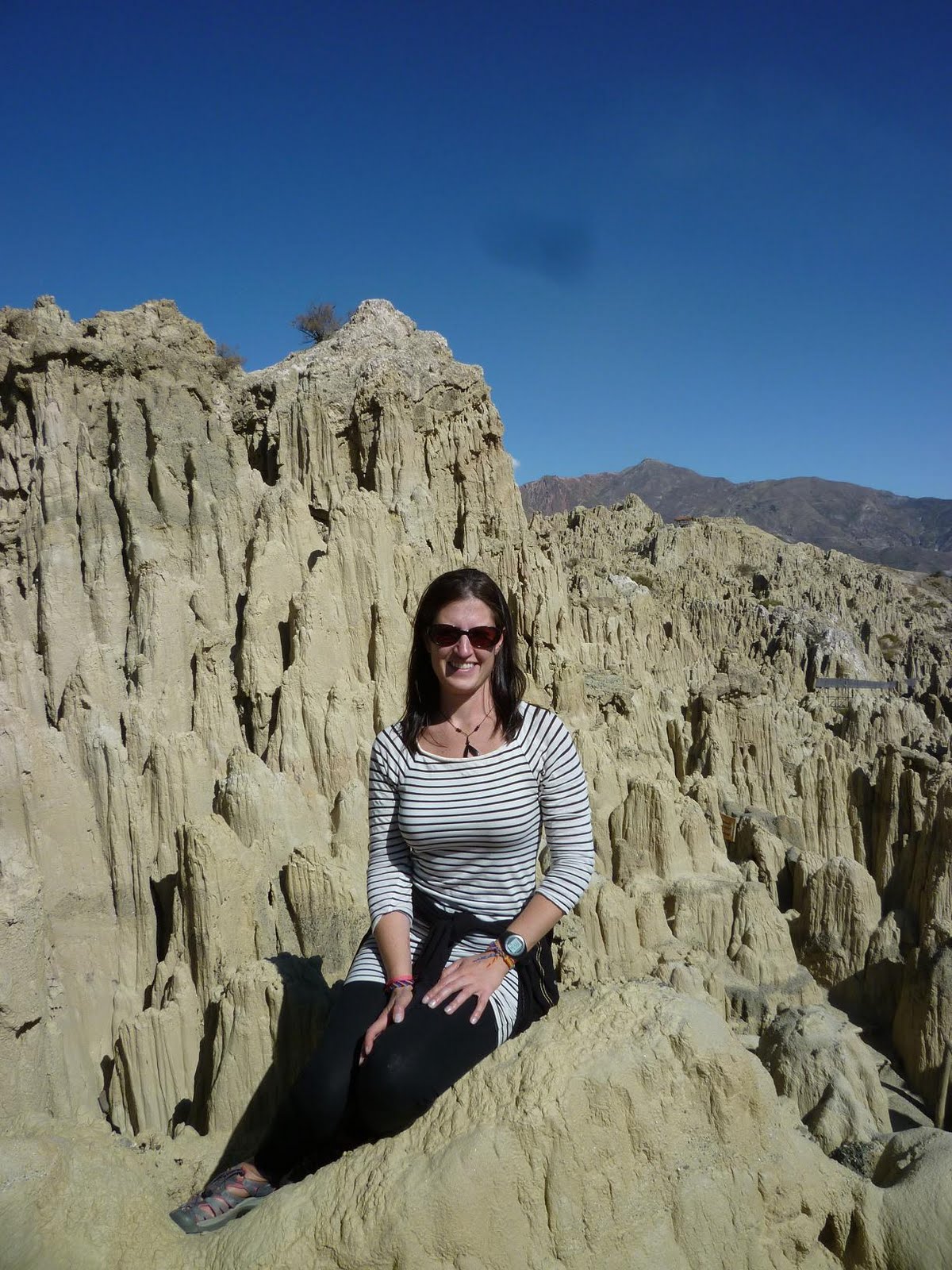
Two separate day trips took us to Tiwanaku, ancient pre-Inca ruins and Valle de la Luna, interesting rock formations. Neither was an unmissable event, but both fairly interesting.


The most interesting thing about La Paz which I don't have any photos of as you are not allowed is San Pedro Prison, right in the heart of La Paz, in a prime real estate area. If you haven't read Marching Powder by Rusty Young then I recommend it. He is an Australian backpacker who visited an inmate there in the 1990's. The corruption is just incredible. The 4 of us went on a tour there....believe it or not. You pay 400 bolivianos (£40) to the guards to get in and then tip 50 bolivianos to our guide and bodyguard. The prison is relatively safe during the day as women and children live in their with their criminal husbands / dads. When we first walked in you arrive in a courtyard with plenty of men hanging around waiting for their visitors as we went on a Sunday which is one of 2 visiting days. It seems like any other square in La Paz. Visiting the prison is illegal, but a lucrative business for the guards and the inmates who are guides. Inside the prison you (the inmates) pay for everything. You buy your own cell, food, TV - they even have cable. It is just like society on the outside, except possibly more corrupt. It is really sad seeing the children live there. They go to school on the outside but really allowing them in is the only way of keeping a family together as they can't afford to live in two separate houses. The whole system is so weird I'm still getting my head around it. We were there for a good few hours and I couldn't quite believe our guide was a criminal. He was quite charming really, and spoke good English. He was in there for drugs as are 80% of the inmates. Others include murderers and rapists, but I got the impression that they didn't last long. I was quite nervous before I went in, but it's definitely the best thing that I did in La Paz.